Understanding Heat Pumps: What You Need to Know
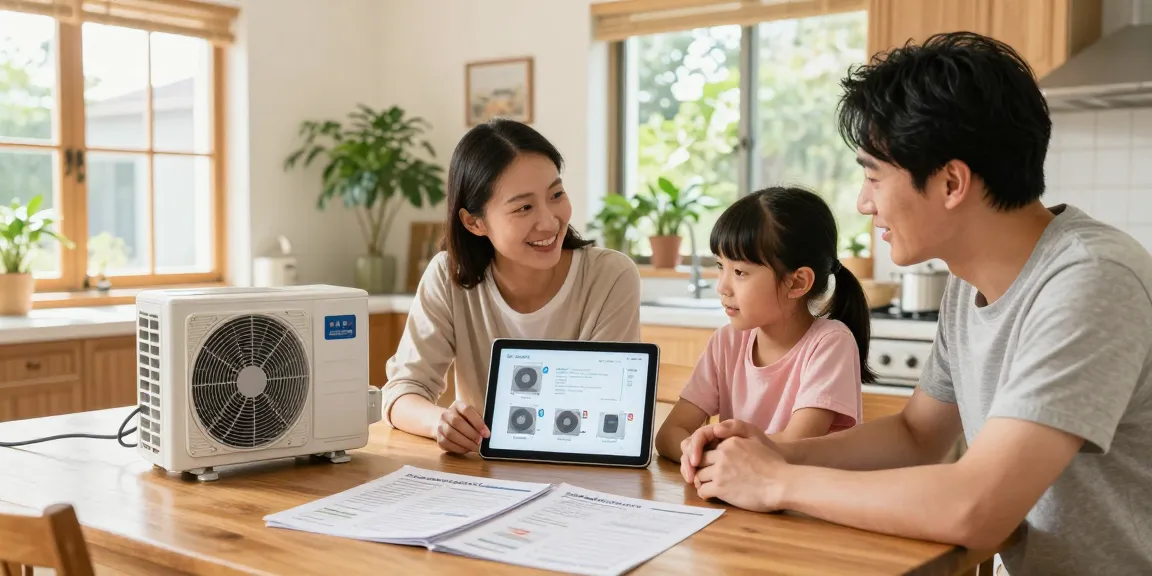
As the trend toward energy-efficient heating systems continues to rise, many homeowners are looking into various options to optimize their home heating. Among these, the Wärmepumpe, or heat pump, stands out due to its potential for energy savings and environmental benefits. In this guide, we will explore everything you need to know about purchasing a heat pump, from understanding the technology to evaluating the costs and finding the best deals in 2026. When exploring options, wärmepumpe kaufen provides comprehensive insights to help you navigate your purchase.
What is a Wärmepumpe?
A Wärmepumpe is a versatile heating and cooling system that transfers heat from one place to another rather than generating heat through traditional means like gas or electricity. Its core function involves extracting heat from the air, ground, or water, and transferring it indoors for heating purposes or vice versa for cooling. This means that during colder months, the heat pump collects warmth from outside—even in low temperatures—and moves it inside, while in warmer months, it can reverse the process for cooling.
Types of Heat Pumps and Their Benefits
There are several types of heat pumps, each with unique advantages:
- Air Source Heat Pumps: These are the most common types and are typically easier and cheaper to install. They extract heat from the outside air, making them ideal for moderate climates.
- Ground Source Heat Pumps: Also known as geothermal heat pumps, they utilize the constant temperature of the ground. While they have higher installation costs, they offer excellent efficiency and lower operating costs.
- Water Source Heat Pumps: These systems extract heat from a nearby water source and are highly efficient. However, their installation is limited to homes near lakes or rivers.
Each type of heat pump has specific applications, and understanding these can help you choose the best system for your needs.
Key Factors to Consider Before Making a Purchase
Before deciding on purchasing a heat pump, consider factors such as the size of your home, climate, and specific heating needs. It's crucial to conduct a thorough assessment of your home’s insulation and energy efficiency. Additionally, reviewing potential installation costs and available incentives can significantly impact your final decision.
Evaluating Heat Pump Options for Your Home
Cost Analysis: Initial Investment vs. Long-Term Savings
Investing in a heat pump may involve higher initial costs compared to conventional heating systems. However, the long-term savings can be substantial. Heat pumps usually have lower operational costs due to their energy efficiency, allowing homeowners to recover their initial investment over time. Research indicates that homeowners can save anywhere from 30% to 70% on energy bills, depending on their system and energy rates.
Energy Efficiency Ratings and Their Importance
When selecting a heat pump, pay close attention to its energy efficiency ratings, often represented by the Seasonal Energy Efficiency Ratio (SEER) for cooling and the Heating Seasonal Performance Factor (HSPF) for heating. A higher rating indicates better efficiency, which can lead to significant operational savings over the lifespan of the unit.
Environmental Impact of Different Heat Pump Systems
Choosing a heat pump also contributes to environmental sustainability. They typically produce lower greenhouse gas emissions compared to traditional heating systems. This is especially true for systems powered by renewable energy sources. Understanding the environmental impact can help you make an informed choice that aligns with your values.
Where to Buy a Heat Pump: Your Options
Local vs. Online Retailers: Pros and Cons
When it comes to purchasing a heat pump, you have the choice between local retailers and online shops. Local stores offer the advantage of personalized service and expert advice, while online retailers often provide a broader selection and competitive prices. Additionally, many online platforms allow for easy price comparison, making it simpler to find the best deal.
Understanding Installation Costs and Services
Installation costs can vary significantly based on the type of heat pump and complexity of the installation. On average, installation may cost between $2,000 to $10,000 depending on your specific requirements. Ensure you obtain quotes from multiple contractors and understand what is included in their services to avoid unexpected costs.
Comparing Brands and Models: What to Look For
With numerous brands and models available, it's essential to compare features and warranties. Some top manufacturers include Viessmann, Bosch, and Mitsubishi, known for their reliability and efficiency. Reading customer reviews and expert opinions can also provide valuable insights to aid your decision-making process.
Financing and Incentives for Buying a Heat Pump
Government Grants and Subsidies Available in 2026
In 2026, several government incentives may be available to promote the adoption of heat pumps. Homeowners should explore potential grants, tax credits, and other subsidies that can reduce initial costs significantly. Staying informed about local and federal programs can offer substantial financial relief.
Financing Options for Homeowners
If upfront costs are a concern, various financing options are available. Many retailers and manufacturers offer payment plans, while banks may provide loans specifically for energy-efficient upgrades. Consider entering a financing arrangement that suits your budget and allows you to spread the costs over time.
Tax Credits and Rebates: What You Need to Know
Tax credits and rebates can provide additional financial benefits when purchasing a heat pump. Inquire about eligibility criteria and ensure you keep records of all purchases and installations to maximize your savings when filing taxes.
Maintaining Your Heat Pump for Optimal Performance
Regular Maintenance Tips for Homeowners
To ensure your heat pump operates efficiently, regular maintenance is critical. Homeowners should conduct seasonal checks, which include changing filters, cleaning coils, and inspecting ductwork. Regular servicing by a professional can help detect potential issues before they become costly repairs.
Common Issues and How to Troubleshoot
While heat pumps are generally reliable, they can experience issues like inconsistent heating, strange noises, or reduced efficiency. Troubleshooting these problems often involves checking air filters and thermostats. However, for complex issues, it is advisable to consult a professional technician.
When to Call a Professional: Signs Your Heat Pump Needs Repair
Homeowners should contact a professional if they notice persistent problems that do not resolve with basic troubleshooting. Signs that require professional attention include frequent cycling on and off, unusual noises, or if the system is not heating or cooling efficiently.
What is the Typical Lifespan of a Heat Pump?
A well-maintained heat pump can last between 15 to 20 years. However, various factors like usage, maintenance, and environmental conditions can affect its lifespan. Regular maintenance can help prolong its operational life.
How to Improve Your Heat Pump’s Efficiency?
Improving the efficiency of your heat pump can lead to significant cost savings. Here are several tips:
- Ensure proper insulation in your home to reduce heat loss.
- Install a programmable thermostat to optimize heating schedules.
- Keep outdoor units clear of debris and vegetation.
- Schedule regular professional maintenance to keep the system running smoothly.